

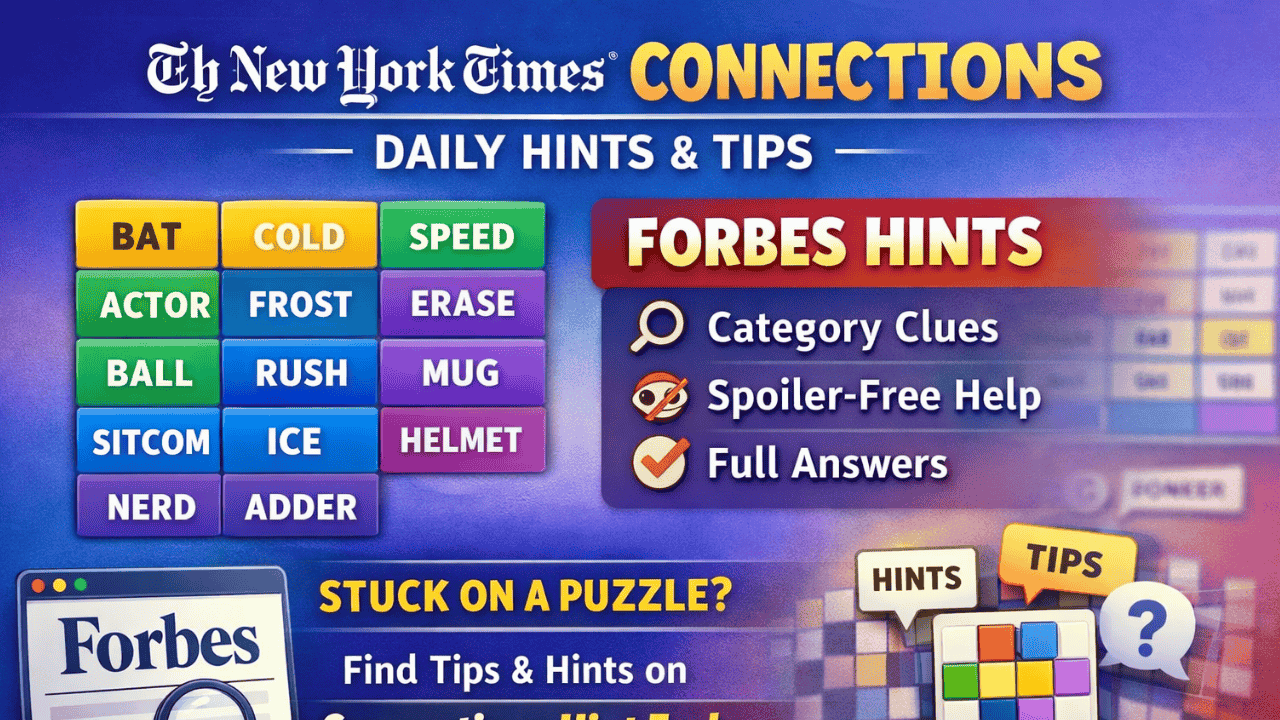
Connections Hint Forbes Word puzzle games have become a huge part of online culture, and one of the most talked-about games in recent years is Connections. Every day, thousands of players search for “connections hint forbes” to get help solving the latest puzzle without completely spoiling the answers. The growing popularity of these connections hint forbes shows how much people enjoy testing their vocabulary, logic, and pattern-recognition skills.
Connections is not just another casual word game. It challenges players to identify hidden relationships between groups of words, often using clever themes and misleading combinations. Because the puzzles can become surprisingly difficult, many players turn to trusted online sources for subtle guidance. connections hint forbes has become one of the most recognized places for daily Connections connections hint forbes because its puzzle breakdowns are detailed, easy to understand, and usually spoiler-friendly.
In this article, we will explore what Connections is, why connections hint forbes are so popular, how players use them effectively, and what strategies can improve your puzzle-solving skills. Whether you are a beginner or a daily player trying to maintain a winning streak, understanding the role of connections hint forbes can completely change your experience with the game.
What Is the Connections Puzzle?
Connections is a daily word puzzle created by The New York Times. The game presents players with sixteen words, and the goal is to organize them into four groups of four words that share a common connection. At first glance, the challenge seems simple, but the puzzle quickly becomes more complicated because many words can fit into multiple possible categories.
One of the reasons Connections became so popular is that it combines vocabulary skills with critical thinking. Some categories are straightforward, like colors or animals, while others involve hidden meanings, slang, pop culture references, or wordplay. This variety keeps players engaged and encourages daily participation.
Unlike crossword puzzles that focus on clues and definitions, Connections is about relationships between words. The difficulty often comes from misleading overlaps. For example, four words might all sound like movie titles, but only two belong together. This design makes the game mentally stimulating and highly addictive.
Another important factor behind the game’s success is its social aspect. Many players share results online without revealing spoilers. Friends compare streaks, discuss tricky categories, and debate puzzle difficulty. This daily conversation has helped Connections grow into a viral puzzle trend.
Why People Search for “Connections Hint Forbes”
The keyword “connections hint forbes” has become popular because many players want help without seeing the full solution immediately. connections hint forbes articles usually provide tiered hints, allowing readers to choose how much assistance they need. This balance between challenge and guidance makes the site especially appealing.
Instead of instantly revealing the categories, connections hint forbes often starts with vague clues. For example, it may hint that one category involves music or sports before listing the actual words. This approach allows players to continue solving the puzzle on their own while receiving enough direction to stay motivated.
Another reason connections hint forbes attract attention is consistency. Players know they can visit the site daily and find updated puzzle guidance. Since Connections resets every day, reliable daily coverage is valuable for dedicated fans who do not want to miss a challenge.
The writing style also contributes to its popularity. Many puzzle hint articles are written casually but intelligently, making readers feel like they are discussing the game with another enthusiast rather than reading a dry explanation. This conversational style helps keep the experience fun and accessible.
How connections hint forbes Structures Connections Hints
One of the smartest things about Forbes Connections hints is the gradual reveal system. Instead of spoiling everything immediately, the hints are layered in a way that supports different types of players. Some people only need a small push, while others may want detailed explanations.
Typically, the article begins with general observations about the day’s puzzle difficulty. The writer may mention whether the categories are tricky, straightforward, or filled with misleading word choices. This prepares readers mentally before they attempt the puzzle again.
The next section often provides category hints without revealing the exact answers. For instance, the hints may describe one category as being related to cooking tools or famous actors. These clues help narrow down possibilities while still leaving room for independent thinking.
Finally, the full answers and category breakdowns appear lower in the article. Players who become completely stuck can scroll further to see the exact groupings. This structure respects both casual players and competitive puzzle solvers.
Why Connections Can Be Surprisingly Difficult
At first glance, arranging sixteen words into groups sounds easy. However, Connections becomes challenging because the puzzle intentionally includes distractions. Many words appear connected in obvious ways, but those connections are often incorrect.
The puzzle creators use misdirection very effectively. A word may fit into multiple categories depending on context. For example, a word could refer to sports, music, or technology at the same time. Players must carefully analyze the strongest possible relationship between groups.
Another reason the game feels difficult is that it tests different kinds of knowledge. One puzzle may focus on classic literature, while another involves internet slang or celebrity names. This variety keeps the game fresh but can make certain puzzles feel unfair depending on a player’s background knowledge.
Pressure also plays a role. Players only have a limited number of mistakes before losing the puzzle. This creates tension and encourages overthinking. Many people search for hints simply because they want reassurance before making risky guesses.
Best Strategies for Solving Connections Puzzles
Improving at Connections requires more than a large vocabulary. Successful players usually develop specific strategies that help them identify categories faster and avoid common traps.
The first strategy is scanning for obvious groups immediately. If four words clearly belong together, solving that category early reduces clutter and makes the remaining words easier to analyze. Simple categories often serve as anchors for solving harder sections later.
Another effective method is looking for misleading patterns. Puzzle creators intentionally place words together that appear related but are not part of the same category. Strong players learn to question their first assumptions and explore alternative meanings for each word.
It also helps to think about word functions rather than literal definitions. Some categories involve rhyming patterns, abbreviations, hidden prefixes, or phrases rather than direct themes. Being flexible with interpretation is extremely important.
Taking breaks can surprisingly improve performance as well. Many players solve difficult categories after stepping away for a few minutes. A fresh perspective often reveals patterns that were previously hidden.
The Role of Online Communities in Puzzle Culture
The success of Connections is closely tied to online communities. Social media platforms are filled with daily discussions, memes, and reactions related to the puzzle. Players enjoy sharing victories, complaining about difficult categories, and debating controversial solutions.
Communities also create a sense of routine. For many people, solving Connections has become part of their daily schedule, similar to checking the news or drinking morning coffee. This consistency builds strong engagement around the game.
Hint articles contribute to this culture by keeping conversations active throughout the day. People compare their solving experiences with the hints they received and discuss whether the clues were helpful or misleading. This interaction strengthens the overall puzzle community.
Another interesting aspect is how puzzle culture encourages learning. Players are exposed to unfamiliar words, references, and concepts regularly. Over time, many people notice improvements in vocabulary, pattern recognition, and lateral thinking skills.
Why Daily Puzzle Games Continue to Grow
Connections is part of a larger trend involving daily puzzle games. Titles like Wordle, Sudoku, and mini crosswords have exploded in popularity because they offer short but satisfying mental challenges.
One major reason these games succeed is accessibility. Most daily puzzles can be completed in just a few minutes, making them easy to fit into busy schedules. At the same time, they provide a sense of accomplishment that feels rewarding.
Daily puzzles also create anticipation. Since there is only one new puzzle per day, players develop routines around solving them. This limited availability increases engagement and keeps people returning consistently.
Another factor is social sharing. Puzzle games encourage friendly competition without requiring advanced gaming skills. Anyone can participate, which broadens their appeal across different age groups and backgrounds.
Final Thoughts on Connections Hint Forbes
Searching for “connections hint forbes” has become part of the daily routine for many puzzle enthusiasts. Players appreciate having access to thoughtful hints that guide them without immediately ruining the challenge.connections hint forbes has successfully positioned itself as a reliable source for puzzle assistance by offering structured clues, casual commentary, and spoiler-controlled solutions.
Connections itself remains one of the most creative word games available today. Its combination of logic, vocabulary, and hidden patterns keeps players mentally engaged while encouraging social interaction online. Even experienced puzzle fans continue to struggle with certain categories, which is exactly what makes the game exciting.
Whether you rely on hints occasionally or try to solve every puzzle independently, the key is enjoying the process. Connections is designed to challenge the brain, spark curiosity, and create conversation. The satisfaction of finally discovering a tricky category is what keeps players coming back day after day.
As daily puzzle culture continues to grow, it is clear that Connections and its surrounding hint ecosystem will remain an important part of online entertainment for a long time.